“The Future of International Cooperation
on the 80th Anniversary of the End of World War II”
Symposium
March 6 (Thur), 2025
Tokyo, Japan
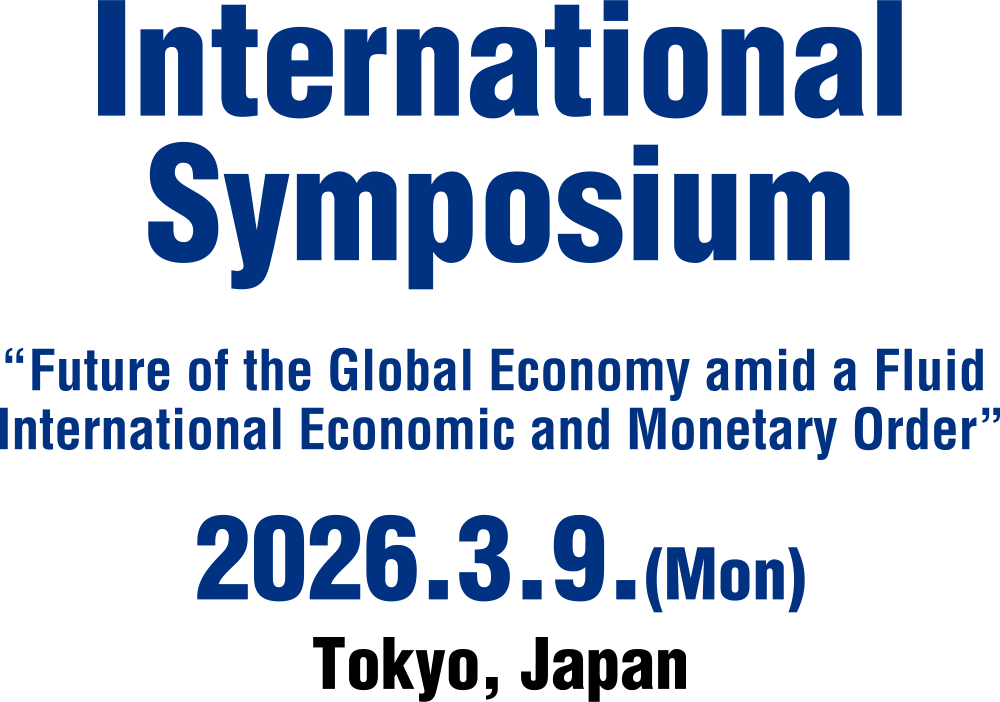
On Monday, March 9, 2026, the Ministry of Finance will host the International Symposium titled: Future of the Global Economy amid a Fluid International Economic and Monetary Order.
This symposium will bring together senior government officials and leading experts from academia and think tanks across the world to discuss the outlook for the global economy from three key perspectives: shifts in trade policy, transformations in currency regimes, and the roles and challenges of fiscal policy.
By discussing the pressing global issues from multiple angles—such as recent shifts in US trade policy, the impact of geopolitical tensions and technological innovation on the US dollar as the key currency, and fiscal sustainability—the symposium will provide an outlook on the course of the fluctuating international economy, as well as to explore the roles and expectations for Japan going forward.
*A prior registration is required
*A prior registration is required

“Future of the Global Economy amid a Fluid
International Economic and Monetary Order”
| Time | Program |
|---|---|
| 13:00-13:10 |
|
| 13:10-13:30 |
|
| 13:30-14:45 |
|
| 15:00-16:15 |
|
| 16:30-17:45 |
|
| 17:45-17:55 |
|
*Please be noted that session topics, panelists, and schedule could be changed without any prior notice.
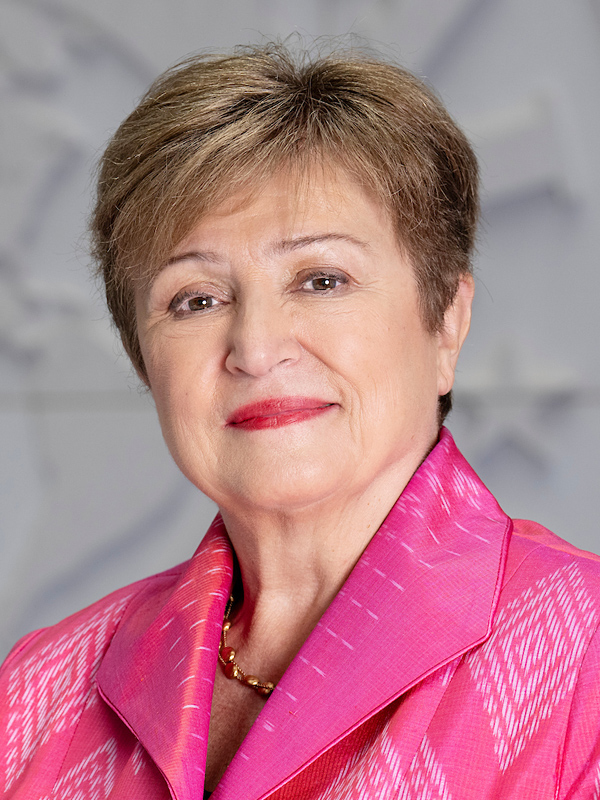
Kristalina Georgieva is the Managing Director of the IMF since October 1, 2019.
She was CEO of the World Bank from January 2017 to September 2019, during which time she also served as Interim President for three months.
Previously, Ms. Georgieva served as European Commission Vice President for Budget and Human Resources and as Commissioner for International Cooperation, Humanitarian Aid and Crisis Response.
From 1993 to 2010, she held a number of senior positions at the World Bank, including as Vice President and Corporate Secretary in 2008, and as Director for Sustainable Development, Director for the Russian Federation (based in Moscow), Director for Environment, and Director for Environment and Social Development for the East Asia and Pacific Region.
Born in Sofia, Bulgaria, she holds a Ph.D. in Economic Science and a M.A. in Political Economy and Sociology from the University of National and World Economy, Sofia, where she was an Associate Professor between 1977 and 1993. She also was visiting fellow at the London School of Economics and at the Massachusetts Institute of Technology.
In light of last year’s shift in U.S. trade policy and the responses of countries around the world, this session will explore the sustainability of tariff policies and their long-term impacts on the U.S. economy and the global economy. The discussion will address key questions such as how excessive global current account imbalances can be corrected, whether the world economy is heading toward fragmentation and de-globalization, and what kind of new global economic and trade order should be pursued in the future.
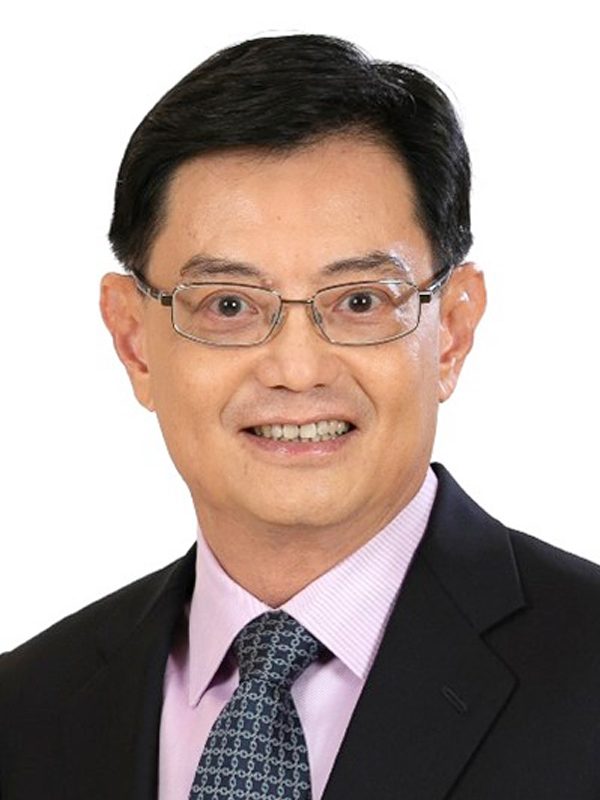
Mr Heng Swee Keat is the Chairman of the National Research Foundation, which sets the direction for Singapore's research, innovation and enterprise (RIE) strategies. Mr Heng is overseeing the closer integration of Singapore’s RIE and industry transformation efforts.
Mr Heng was Singapore’s Deputy Prime Minister from 2019 to 2025, Coordinating Minister for Economic Policies from 2020 to 2024, Minister for Finance from 2015 to 2021, and Minister for Education from 2011 to 2015.
Before entering politics in May 2011, Mr Heng was the Managing Director of the Monetary Authority of Singapore, Permanent Secretary of the Ministry of Trade and Industry, as well as CEO of the then-Trade Development Board. Between 1997 and 2000, he was Principal Private Secretary to then-Senior Minister Lee Kuan Yew.
Mr Heng has an MA in Economics from Cambridge University. He also holds a Master in Public Administration from the Harvard Kennedy School.
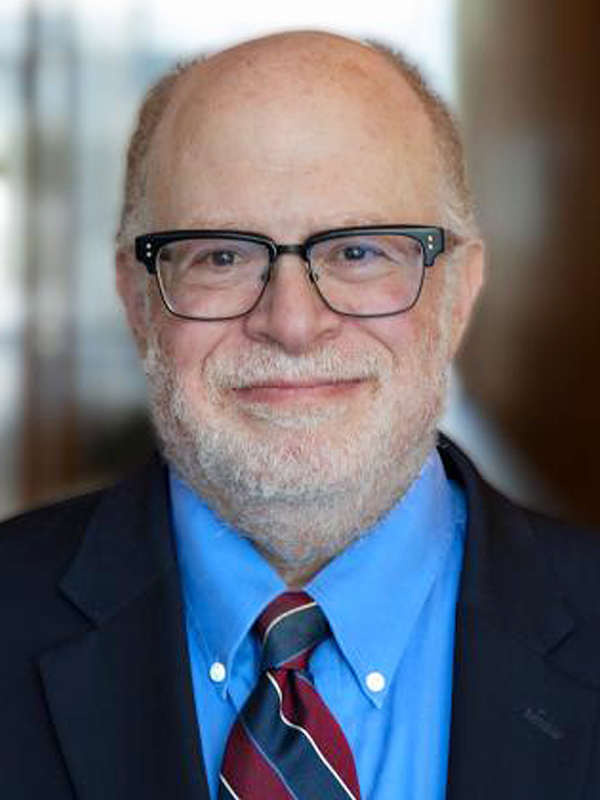
Adam S. Posen is president of the Peterson Institute for International Economics. He has contributed to research and public policy regarding macroeconomic policies in the G-20, the challenges of European integration since the adoption of the euro, and China-US economic relations. He was one of the first economists to address the political foundations of central bank independence and to analyse Japan's Great Recession as a failure of macroeconomic policy. While an economist at the Federal Reserve Bank of New York from 1994–97, he co-authored Inflation Targeting: Lessons from the International Experience. From 2009-12, during the global financial crisis, Posen served as an external voting member of the Bank of England's Monetary Policy Committee. In 2014, he was made an honorary Commander of the Most Excellent Order of the British Empire (CBE) by H.M. the Queen for his service to British economic policy. In 2021, he was awarded the Order of the Rising Sun (with Gold Rays and Neck Ribbon) by H.M. the Emperor for his service to Japanese economic policy and U.S.-Japan relations. Posen received his BA and PhD from Harvard University.
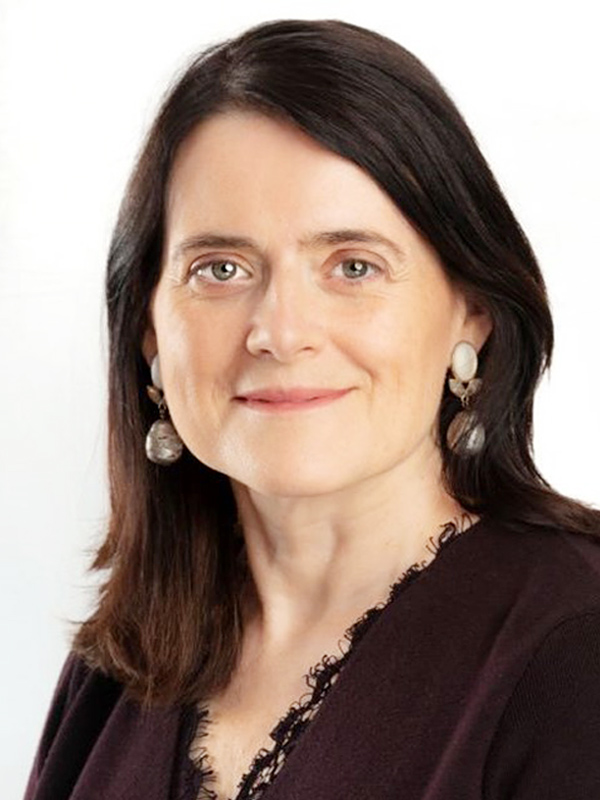
Bronwen Maddox took up the post of Director and Chief Executive of Chatham House in August 2022.
Before joining Chatham House, Bronwen was Director of the Institute for Government (2016-2022), an independent think tank based in London promoting better government. From 2010 to 2016 she was editor and chief executive of Prospect, the monthly current affairs magazine. Before that, she served as chief foreign commentator, foreign editor and US editor at The Times, after a period at the Financial Times where she ran award-winning investigations and wrote economics editorials.
Before becoming a journalist, Bronwen was an investment analyst in the City and a director of Kleinwort Benson Securities, where she ran its highly-rated team analysing world media stocks.
Bronwen is an Honorary Governor of Ditchley and an honorary fellow of the British Academy. She writes frequent op-ed columns for the Financial Times and broadcasts widely.
Bronwen has a degree in Politics, Philosophy and Economics from St John’s College, Oxford
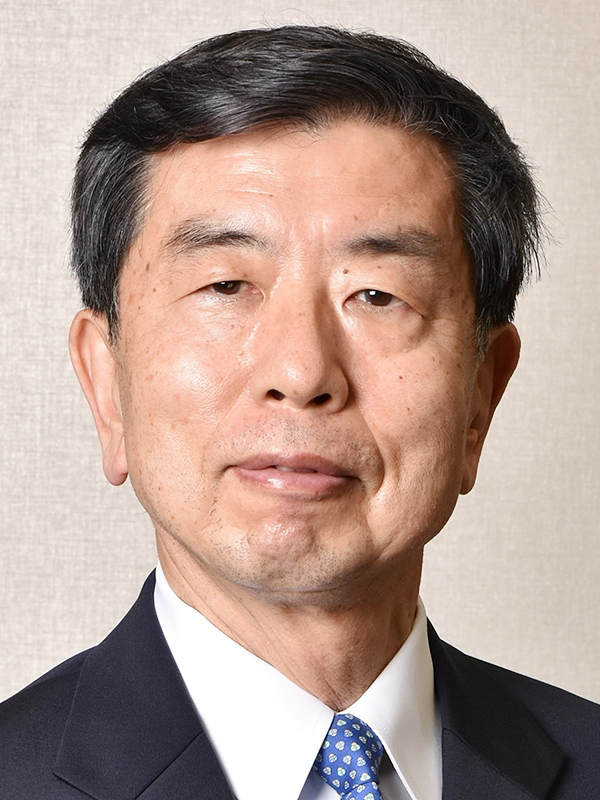
Mr. Takehiko Nakao is currently Chairman, Center for International Economy and Strategy. He teaches as Visiting Professor at the National Graduate Institute for Policy Studies (GRIPS) and Graduate School of Public Policy, the University of Tokyo.
From April 2013 to January 2020, Mr. Nakao served as President of the Asian Development Bank (ADB), which is based in Manila. Mr. Nakao was the Vice Minister of Finance, Japan for International Affairs between 2011 and 2013.
Mr. Nakao has gained extensive experience in international finance, budget, tax policy, and financial market since he joined the Ministry of Finance in 1978. He was Minister at the Embassy of Japan in Washington D.C. between 2005 and 2007, and advisor at IMF's Policy Development and Review Department between 1994 and 1997.
His memoir “The Rise of Asia: Perspectives and Beyond” was published in July 2022. He also took an initiative and was a lead editor for “Asia’s Journey to Prosperity: Policy, Market, and Technology over 50 Years”, published by ADB in January 2020. Both are available through ADB HP.
Mr. Nakao holds a BA degree in Economics from the University of Tokyo (1978) and a Master of Business Administration from the University of California-Berkeley (1982).

EDUCATION
Master’s Degree in English Literature from Allahabad University;
Master’s in Development Studies from University of East Anglia, Norwich
EXPERIENCE
He began his career with the Government of India as a member of the Indian Administrative Service in 1983, serving in various capacities for 25 years when he left to join the Observer Research Foundation to pursue his primary interests in energy and environment. His last posting with the Government of India was as Joint Secretary in the Ministry of Petroleum and Natural Gas. He has been Director of the Board of National Energy Companies such as ONGC, OVL, OIL and MRPL and has had wide experience in administering fiscal and contractual regimes for oil and gas.
His experience of policy making and implementation cuts across the conventional as well as nonconventional energy sectors and covers issues related to water use, and its conservation and management. He has been Visiting Associate at the International Institute of Strategic Studies, London and Distinguished Visitor to the Program on Energy and Sustainable Development, University of Stanford. Takes keen interest in social development as Vice President of the Mountain Children’s Foundation, a not for profit group working with rural children in the Himalayas.
He speaks publishes and comments on the world of technology, energy, and development, framing them in the context of global shifts and the challenges to growth and employment faced by emerging economies. To generate serious interest on these subjects among a wider audience he has initiated a regular YouTube commentary on Global and Current Affairs called India’s World which attracts a diverse audience and remains the only one of its kind in Hindi on such diverse subjects.
Click below to watch India’s World:
Monterey Trialogue - Sunjoy Joshi with Peter Slezkine
https://monterey-trialogue.simplecast.com/episodes/sunjoy-joshi-the-view-from-india-SmBGbf2V
X: @Sunjoyj
While the U.S. dollar remains at the center of the international monetary system, rising geopolitical risks, U.S. financial sanctions, and technological innovations such as central bank digital currencies (CBDCs) and stablecoins may signal a turning point in the global monetary order. This session will examine from multiple perspectives the impacts of geopolitical risks and digital currencies on international finance and payment systems, as well as the potential economic and financial risks that could arise as the dollar-centered international monetary system evolves, in order to explore the future direction of a shifting global monetary system.
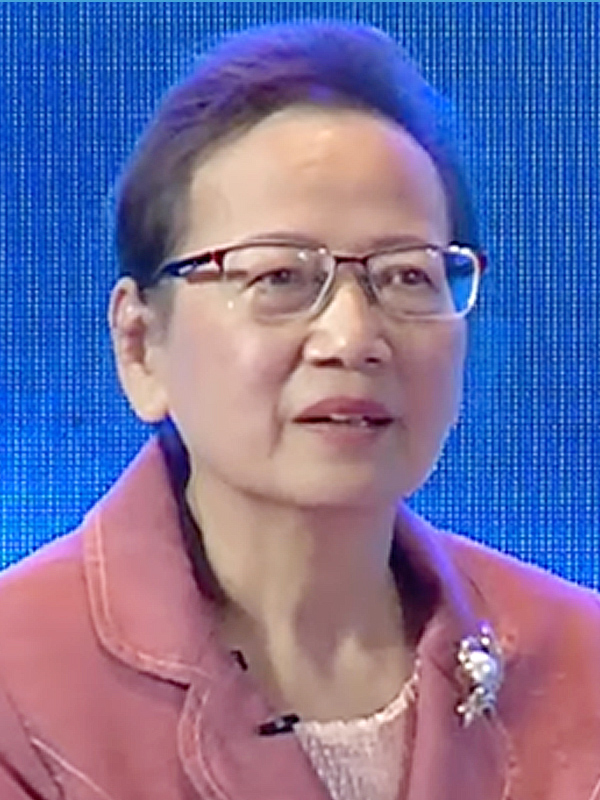
Tarisa Watanagase joined the Bank of Thailand (BOT) in 1975 and was Governor between 2006 -2010. Her long career at the Bank spanned over responsibilities in all major functions of central banking. She also took leave to work as an economist at the International Monetary Fund, Washington, D.C. between 1978-1990 and an IMF-World Bank FSAP independent assessor in 2002.
She was instrumental in the 1997 Thai crisis resolution and the ensuing supervisory and financial sector reforms, the establishment of the Thai Real-Time-Gross-Settlement (RTGS) system in 1995, the first in Asia, to eliminate settlement risk in high-value fund transfers, and the passage of the new BOT Act in 2008, which guarantees the central bank’s independence from political interference. She successfully steered the Thai economy during the 2008 Global Financial Crisis. After her retirement, Dr. Watanagase maintains her involvement with the business and financial sectors as a board member/ advisor of several public, private and non-profit organizations, both domestic and international.
Dr. Tarisa received her B.A. and M.A. in Economics from Keio University, Japan and Ph.D. in Economics from Washington University, St.Louis, U.S.A. In the spring of 1999, she attended the Advanced Management Program at Harvard University, U.S.A.
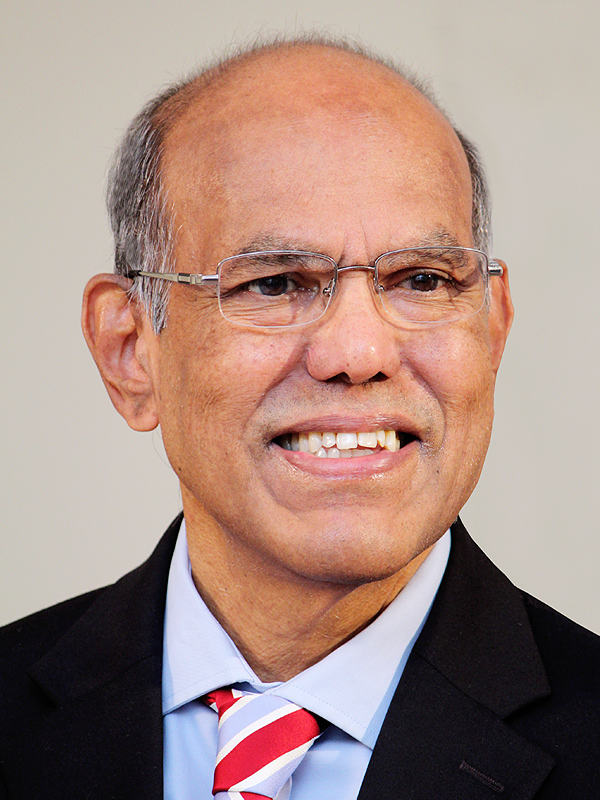
Duvvuri Subbarao served as Governor of the Reserve Bank of India (RBI) for five years (2008-13). Prior to that, he was Finance Secretary to the Government of India (2007-08) and Secretary to the Prime Minister’s Economic Advisory Council (2005-07).
As a career civil servant in India for over three decades, Subbarao worked in various positions in the state government of Andhra Pradesh and in the central government in New Delhi. He was a Lead Economist in the World Bank (1999 - 2004) where his responsibilities involved advising developing countries on public finance management.
Subbarao studied at the Indian Institute of Technology, Kanpur. He went to Graduate School at Ohio State University and later was a Humphrey Fellow at MIT studying Public Finance. He obtained his doctorate from Andhra University.
Subbarao’s book “Who Moved My Interest Rate” chronicling his experiences in leading the Reserve Bank of India through five turbulent year is notable for its exposition of the policy dilemmas facing an emerging economy central bank in a globalized world.
After stepping down as Governor, RBI, Subbarao was a Distinguished Visiting Fellow at the National University of Singapore and later at the University of Pennsylvania. Most recently, he has been visiting faculty at Yale University.
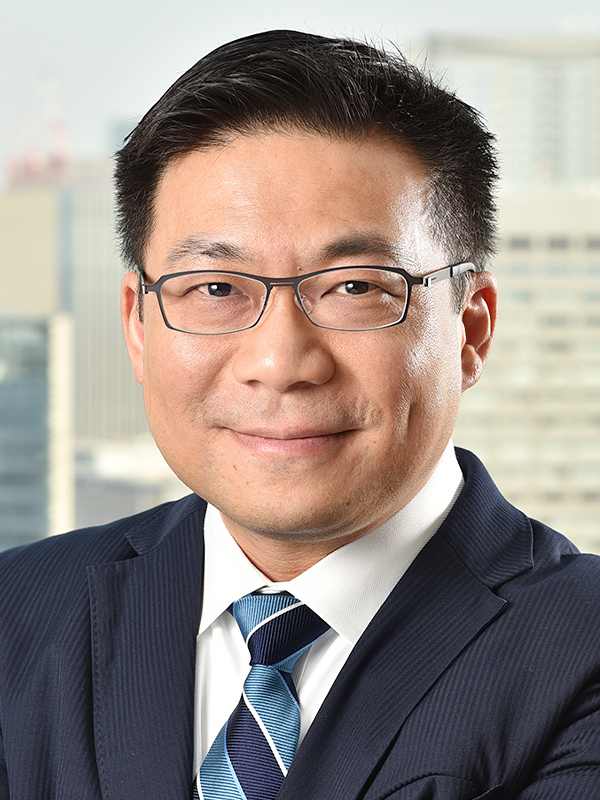
Kevin is Managing Director, Head of Asia Pacific at Swift, and is primarily responsible for all business development and business management activities in the Asia Pacific region. Kevin joined Swift in August 2021 and is currently based in Singapore.
Kevin has extensive experience in the Asia Pacific region, having spent over 23 years in Hong Kong, Shanghai, Singapore, Sydney and Tokyo, mainly in the securities services and related field. Prior to Swift, Kevin was Head of Sales for State Street Bank in Asia Pacific for all products excluding SSgA, where he spent over 4 years leading their business development efforts across the region. Kevin also ran the Securities & Funds Services business for Citibank in China, and was Head of Sales for BNY Mellon Asset Servicing for Asia Ex-Japan, Ex-Australia before that. Prior to this, Kevin spent time at Deutsche Bank and Bankers Trust earlier in his career, working in Sydney, Singapore and Hong Kong.
Kevin holds a Bachelor of Commerce degree from the University of Sydney. He is married with no children.
About Swift
Swift is a global member owned cooperative and the world’s leading provider of secure financial messaging services. We provide our community with a platform for messaging and standards for communicating, and we offer products and services to facilitate access and integration, identification, analysis and regulatory compliance.
Our messaging platform, products and services connect more than 11,000 banking and securities organisations, market infrastructures and corporate customers in more than 200 countries and territories. While Swift does not hold funds or manage accounts on behalf of customers, we enable our global community of users to communicate securely, exchanging standardised financial messages in a reliable way, thereby supporting global and local financial flows, as well as trade and commerce all around the world.
As their trusted provider, we relentlessly pursue operational excellence; we support our community in addressing cyber threats; and we continually seek ways to lower costs, reduce risks and eliminate operational inefficiencies. Our products and services support our community’s access and integration, business intelligence, reference data and financial crime compliance needs. Swift also brings the financial community together – at global, regional and local levels – to shape market practice, define standards and debate issues of mutual interest or concern.
Headquartered in Belgium, Swift’s international governance and oversight reinforces the neutral, global character of its cooperative structure. Swift’s global office network ensures an active presence in all the major financial centres.
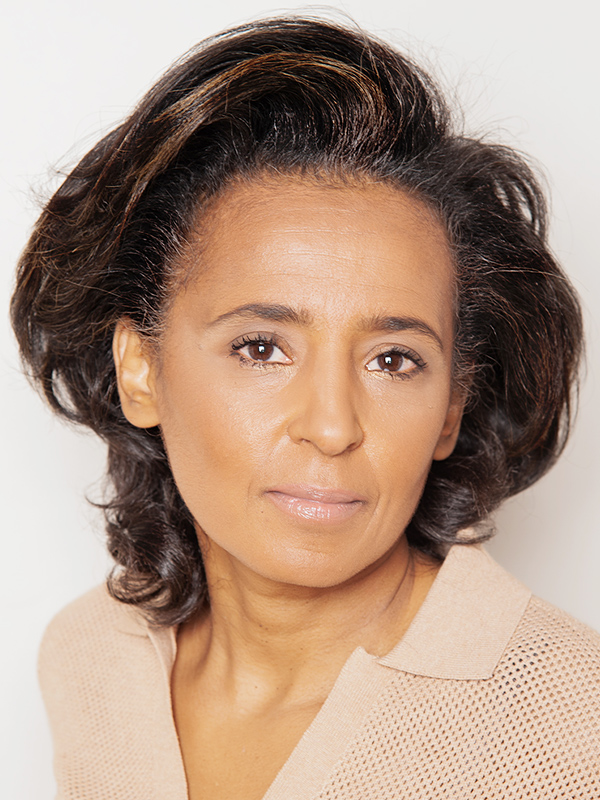
Carla Norrlöf is a Professor of Political Science at the University of Toronto, specializing in international relations and international political economy. She has published with academic presses and in peer-reviewed journals and serves on the editorial boards of International Studies Quarterly, International Studies Review, and International Theory. She has testified twice before the United States Congress, is a TEDx speaker, and previously served as a Senior Fellow at the Atlantic Council. Her commentary appears regularly in Project Syndicate and in other outlets such as Der Standard, Foreign Affairs, The Guardian, The Japan Times, The Korea Herald, The Korea Times, Le Monde, Newsweek, The Taipei Times, The Washington Post, World Politics Review, and US-China Focus.
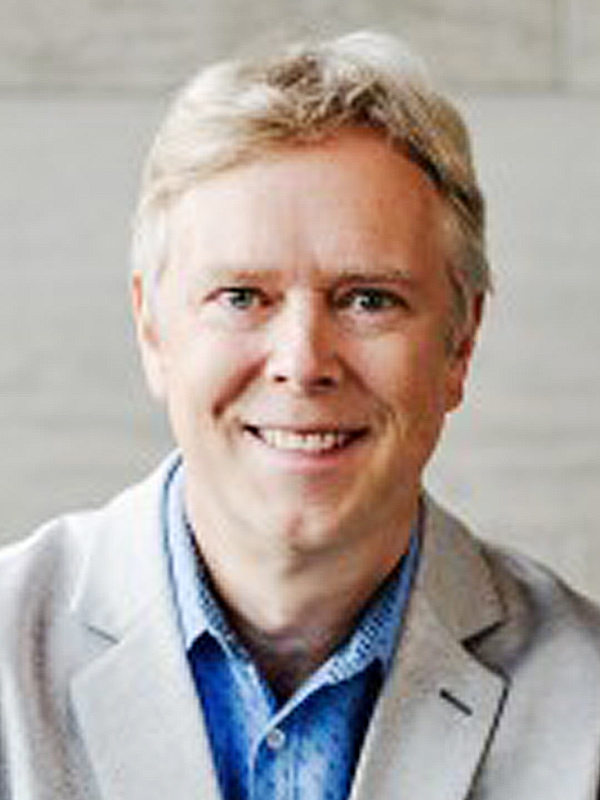
Paul Samson is President of the Centre for International Governance Innovation (CIGI), an independent Canadian think tank working on international governance with a focus on policy solutions in an era of transformative technologies. Paul served over 20 years with the Government of Canada, including at the deputy minister level. He worked in the Privy Council Office during the time of three different Prime Ministers. At Finance Canada, he served as Canada’s deputy for finance at the Asia-Pacific Economic Cooperation (APEC) forum, was co-chair of the G20 Framework Working Group on the global economy and served on the Board of Directors for the Asian Infrastructure Investment Bank (AIIB). Paul completed a doctorate in international relations at the Graduate Institute, Geneva, and his undergrad at the University of British Columbia. He completed post-doctoral studies in global environmental assessment at Harvard University and was a research associate at the Belfer Center for Science and International Affairs.
Today, many democratic countries are experiencing growing pressure on governments to increase defense spending, industrial subsidies, and social security expenditures, leading to an expanding role for fiscal policy. At the same time, continued expansion of fiscal deficits and government debt could heighten the risk of financial market instability through rising interest rates and currency volatility. In Japan as well, amid widening intra- and intergenerational disparities and growing fiscal demands, securing stable sources of funding and maintaining market confidence have become key challenges. Taking these trade-offs into account, this session will discuss the role fiscal policy should play and the challenges it must address.
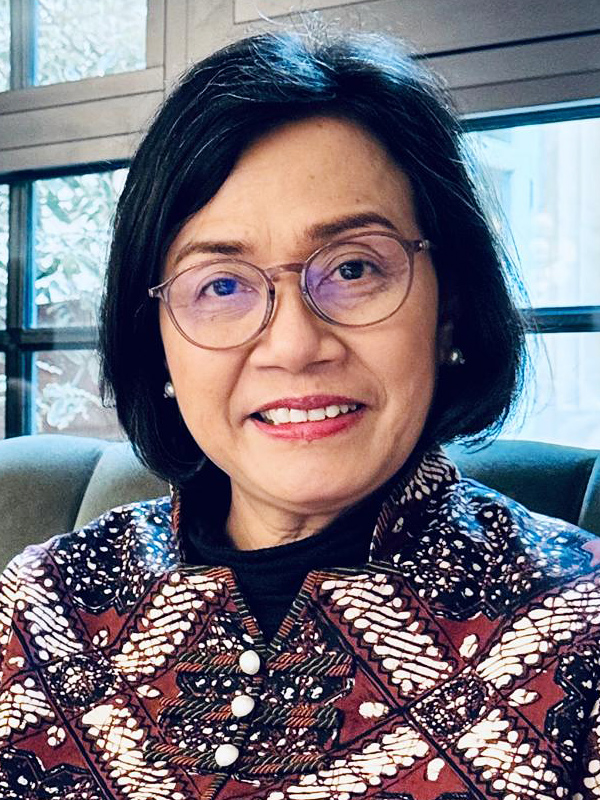
Sri Mulyani Indrawati earned her bachelor’s degree in Economics from the University of Indonesia and completed her Master’s and Ph.D. in Economics at the University of Illinois at Urbana-Champaign. Her expertise spans public finance, fiscal policy, and labor economics.
She served as the Executive Director at the IMF (2002-2004) before being appointed as Indonesia’s Minister of Development Planning in 2004 and later Minister of Finance (2005-2010). During this period, she successfully implemented extensive reforms, stabilized the economy, and built investor confidence.
She then joined the World Bank as Managing Director and COO (2010-2016). Returning to Indonesia in 2016, she resumed her role as Minister of Finance and served until 2025, navigating the economy through global financial crisis and COVID-19 pandemic. Her contributions to economic development and her success in maintaining prudent fiscal policy have been recognized globally. She has received numerous “Best Finance Minister” awards from international media and was awarded a Doctor of Laws honoris causa from the Australian National University (ANU) in 2023.
She also champions education, climate action, and gender equality, serving on several global councils and academic boards. Her career reflects a commitment to sound fiscal policy and professional integrity. She currently serves as member of the Board of Gates Foundation and as World Leaders Fellow at Blavatnik School of Government Oxford University.
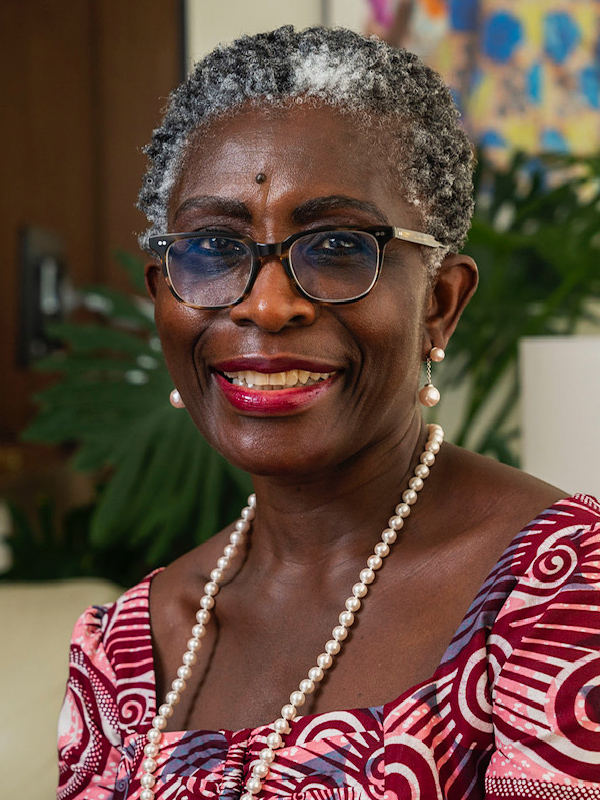
Antoinette Monsio Sayeh was Deputy Managing Director of the International Monetary Fund from March 2020 through mid-September 2024. In that role she had oversight of the Fund’s five area departments, operational work on thirty emerging market, low-income, and fragile countries, as well as policy work covering structural reform, inequality, governance and corruption, social spending, gender, low-income countries, and fragile and conflict affected states. Her oversight encompassed the IMF’s capacity development activities with member countries in her initial two years in the role. She also oversaw human resources, IMF-World Bank coordination, and work related to the Fund’s Independent Evaluation Office.
Ms. Sayeh was a Distinguished Visiting Fellow at the Center for Global Development (CGD) between November 2016 and March 2020 and was Co-Chair for the 19th Replenishment of the International Development Association (IDA19), the World Bank’s Fund for the poorest.
She previously oversaw and significantly enhanced the IMF’s engagement with its sub-Saharan African members as Director of the African Department between July 2008 and August 2016.
As Minister of Finance in post-conflict Liberia (January 2006 through June 2008), she led the country through the clearance of its long-standing multilateral debt arrears, the HIPC Decision Point, the Paris Club, and its first Poverty Reduction Strategy, significantly strengthening its public finances and championing public financial management reform.
Before joining President Ellen Johnson Sirleaf’s Cabinet, Ms. Sayeh worked for the World Bank for 17 years, including as Country Director for Benin, Niger, and Togo; Senior Country Economist for Pakistan and Afghanistan, as well as an Advisor in the Bank’s Operations Policy Vice Presidency and as Assistant to its principal Managing Director. Before joining the Bank, Ms. Sayeh worked in economic advisory positions in Liberia’s Ministries of Finance and Planning.
Ms. Sayeh has also served on the Board of Managers of Swarthmore College; Board of Directors of the Ellen Johnson Sirleaf Presidential Center for Women and Development; and Board of Directors of Emerging Public Leaders.
Ms. Sayeh graduated with a bachelor’s degree with honors in economics from Swarthmore College and a PhD in International Economic Relations from the Fletcher School at Tufts University.
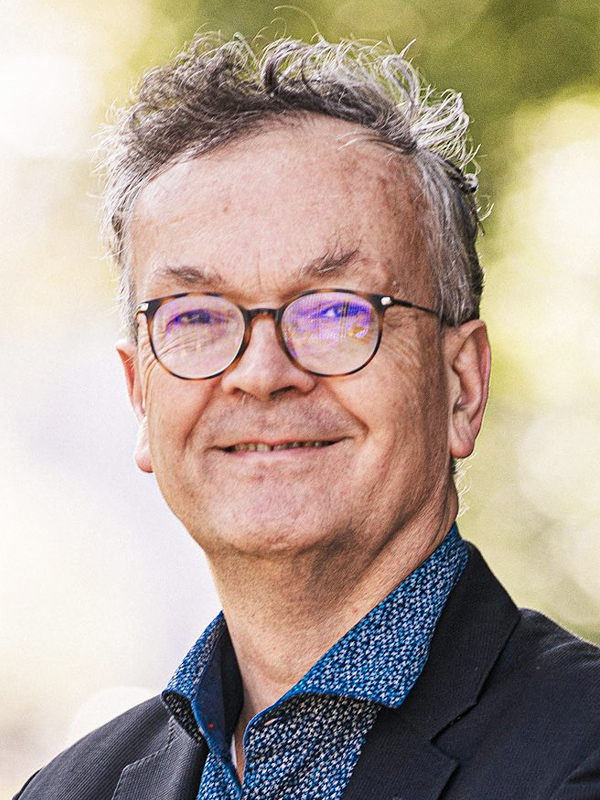
Jeromin Zettelmeyer has been Director of Bruegel, the Brussels-based economic policy think tank, since September 2022. He was previously a Deputy Director of the Strategy and Policy Review Department of the International Monetary Fund (IMF), Senior Fellow at the Peterson Institute for International Economics (2016-19), Director-General for Economic Policy at the German Federal Ministry for Economic Affairs and Energy (2014-16); Director of Research and Deputy Chief Economist at the European Bank for Reconstruction and Development (2008-2014), and IMF staff member(1994-2008).
Jeromin holds an economics degree from the University of Bonn and a Ph.D. in economics from MIT (1995). He is a Research Fellow of the Centre for Economic Policy Research (CEPR), a member of CEPR’s Research and Policy Network on European Economic Policy, and a board member of the Euro50. His recent work has focused on the EU fiscal framework, public debt sustainability, economic security, and international climate finance.
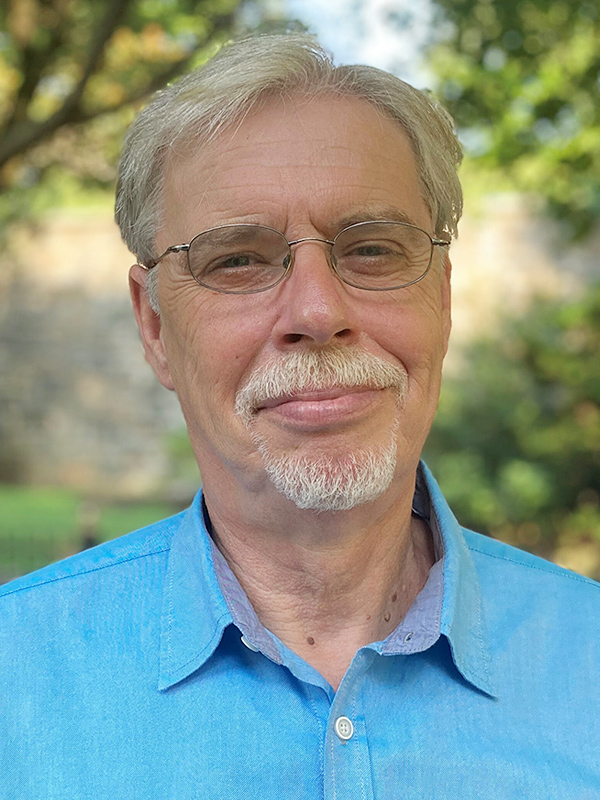
Michael was formerly Deputy Director of the Fiscal Affairs Department at the International Monetary Fund, where he had a central role in shaping and delivering IMF policies and advice on tax matters. This included technical missions delivering confidential advice to more than forty countries, in all regions and at all levels of development. He led the preparation of influential papers for the G20 and the Executive Board of the IMF on international taxation, carbon pricing, and other issues. Before joining the Fund, he was professor of Economics at the university of Essex (UK), Queens (Canada) and Kyoto. He is currently an Ushioda Fellow in Tokyo College, University of Tokyo.
Michael was President of the International Institute of Public Finance from 2003 to 2006, awarded the CESifo Musgrave Prize in 2010, and in 2018 received from the National Tax Association of the United States its most prestigious award, the Daniel M. Holland Medal for distinguished lifetime contributions to the study and practice of public finance.
His papers have appeared in the American Economic Review and other leading journals, and he is co-author of books on The Modern VAT and Taxing Profits in a Global Economy. His most recent book, Rebellion, Rascals and Revenues (with Joel Slemrod), aims to use history and humor to convey basic tax principles to a wider audience.
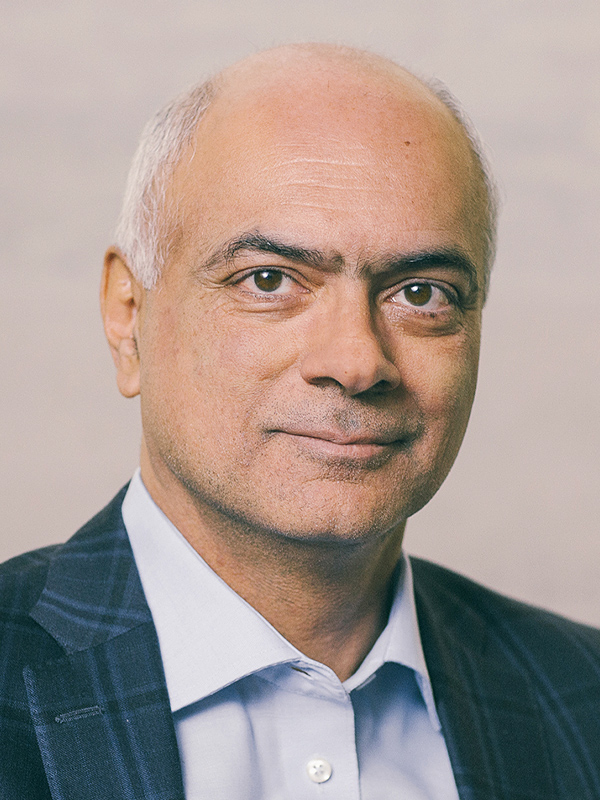
Rohinton P. Medhora is Professor of Practice at the Institute for the Study of International Development at McGill University, Montreal, Canada and a former president of the Centre for International Governance Innovation in Waterloo, Canada where he remains a Distinguished Fellow. During Spring 2026 he will be Distinguished Visiting Professor in the Stephen A. Schwarzman Scholars Program at Tsinghua University, Beijing. Previously, he was vice president of programs at Canada’s International Development Research Centre. His fields of expertise are international economic relations, innovation policy, and development economics.
Rohinton sits on the board of several non-profit organizations. He was a member of the Commission on Global Economic Transformation and The Lancet and Financial Times Commission on Governing Health Futures 2030, and is a founding member of its successor the Digital Transformations for Health Lab at the University of Geneva. In 2021-22 he chaired the Ontario Workplace Recovery Advisory Committee.
Rohinton received his doctorate in economics in 1988 from the University of Toronto, where he subsequently taught. He has published extensively in professional and non-technical journals and has produced several books including co-editing International Development: Ideas, Experience, and Prospects (Oxford University Press). In May 2025 he produced a three-part video series on the governance of new technologies with the Institute for New Economic Thinking in New York.